
Common Instructions
These are the terms and instructions clients, councils and legal teams commonly use for this work in Australian practice.
- UPSS investigation
- UPSS remediation
- UPSS validation
- Tank pit validation
- Underground storage tank removal
Reviewer
Reviewed by Michael Nicholls, Principal Environmental Scientist (CEnvP #0831, Site Contamination Specialist SC40037).
Last reviewed 24 September 2026.
Primary Sources
These official references commonly inform the way this work is scoped, interpreted or defended.
Home / Capabilities / UPSS & Petroleum
UPSS / service stations / fuel infrastructure
UPSS investigation, remediation, validation and tank pit reporting.
iEnvi advises on underground petroleum storage systems (UPSS), fuel tank removal, petroleum contamination and validation reporting for active service stations, depots, commercial sites and legacy fuel properties across Queensland, NSW and Victoria.
UPSS remediation
UPSS validation
Tank pit validation
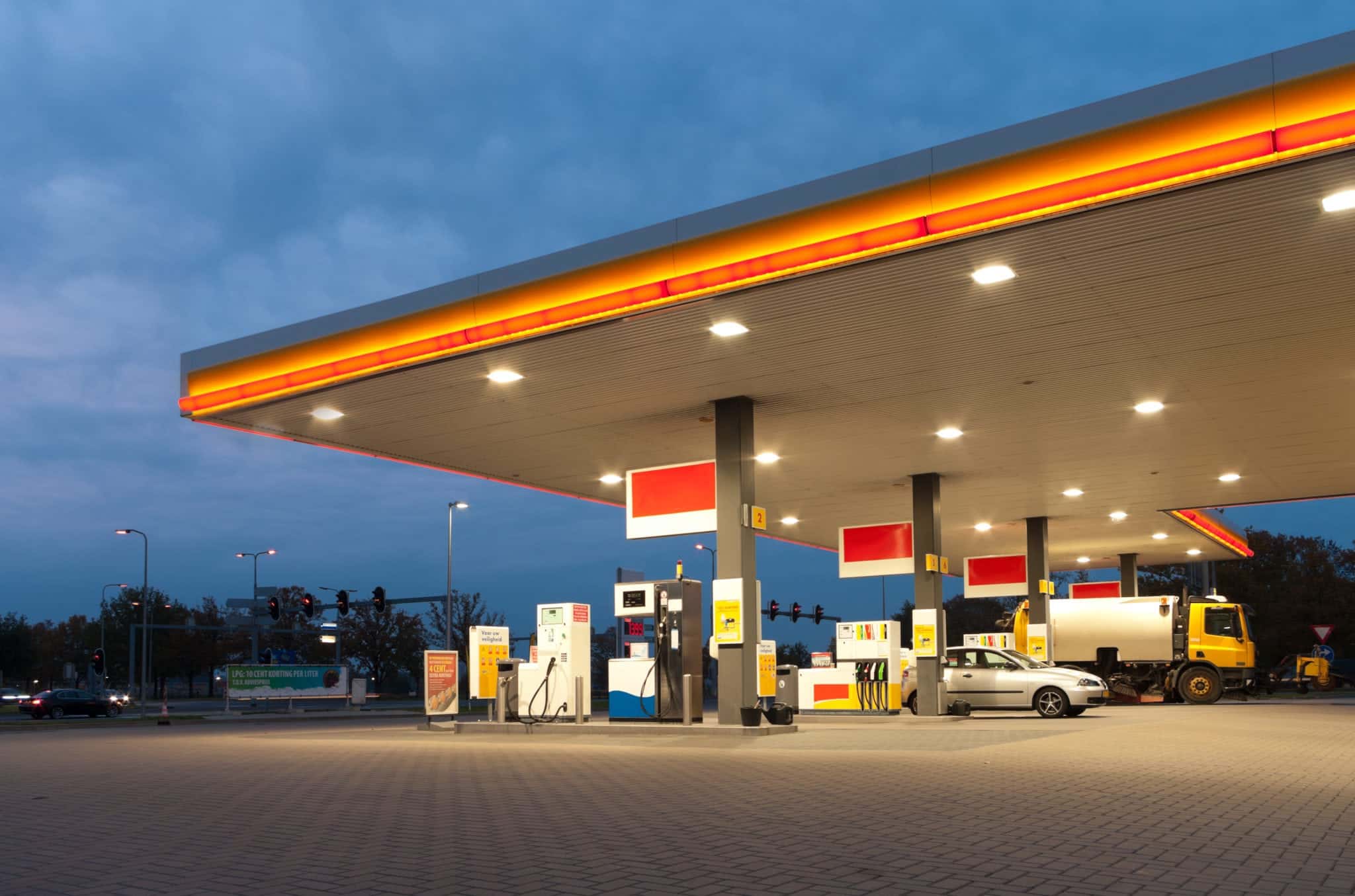
UPSS investigation, remediation and validation — what each stage involves.
Petroleum sites rarely present a single neat problem. Lease renewals, sales, tank removal, change of use and regulator interest each need a different combination of historical review, intrusive investigation, remediation and validation. The scope should match the transaction or compliance driver — not a generic service station checklist.
Baseline, lease renewal and contamination assessment
Historical review, non-intrusive tank and line location, soil and groundwater sampling, monitoring well installation where needed, and reporting aligned with state UPSS regulations and contaminated land frameworks. Common triggers include lease baseline requirements, property purchase, EMR or CLR listing, and Section 105 CLMA reporting in NSW.
Source removal, groundwater response and staged clean-up
Where petroleum impacts exceed guideline values or pose an unacceptable pathway, remediation may involve tank pit excavation, source-zone treatment, groundwater monitoring, vapour assessment or monitored natural attenuation. iEnvi scopes remediation to the land use, receptor setting and closure objective — not an oversized default response.
Sign-off after tank removal or decommissioning
UPSS validation confirms that decommissioning or remediation has met the standard required for the intended use. That includes review of contractor works, confirmatory sampling, interpretation against applicable criteria, and reporting suitable for council, a regulator, a landlord or a purchaser.
Sampling and reporting around removed tanks and lines
Tank pit validation focuses on the excavation zone around removed tanks, dispensers and fuel lines, which is often where the highest contamination risk is found on a service station site. Soil and sometimes groundwater samples are compared to relevant criteria to support reporting or to define any further remediation scope before backfill and reinstatement.
Where UPSS and petroleum advice is commonly required.
Service stations and fuel depots
Lease renewals, integrity concerns, upgrade works, regulatory inspections and neighbour or groundwater issues on operating sites.
Former fuel sites and commercial conversions
Restaurants, retail, residential and industrial re-use of properties with former tanks, lines or filling history — even where above-ground infrastructure is long gone.
Due diligence and legal instructions
Vendor reports, purchaser risk review, confidential PSI and DSI instructions, and advice on remediation liability before settlement or redevelopment.
State UPSS and contaminated land requirements.
Requirements differ by state. iEnvi frames investigation, remediation and validation against the regulations and contaminated land frameworks that actually apply to the property — not a one-size-fits-all national template.
EMR listings, UPSS regulation and abandonment
Work on listed sites, in-situ tank abandonment, foam filling where removal is impractical, and progression toward EMR removal where validation supports it.
POEO UPSS Regulation and CLMA Section 105
Lease baseline investigations, reporting obligations, tank removal validation and coordination with broader contaminated land management where petroleum impacts extend off the tank pit.
Selected UPSS and petroleum project summaries.
Published examples of lease baseline work, rural service station purchase due diligence, in-situ abandonment and groundwater remediation on petroleum-impacted sites.
Petrol station lease baseline investigation, western Sydney NSW
Lease baseline investigation aligned with NSW UPSS and CLMA requirements, including soil and groundwater sampling to support lease renewal.
UPSS and DSI for a rural service station, Far North Queensland
UPSS integrity check and DSI to support purchase negotiations after fuel-line leakage indicators adjacent to tanks and lines.
UPSS abandonment in-situ via foam filling, Wide Bay region QLD
In-situ abandonment of three underground tanks where structural constraints prevented removal, with validation monitoring to support EMR progression.
Confidential PSI and UPSS investigation, inner Sydney
Law firm instruction for PSI and UPSS investigation at a commercial property with minimal disruption to trading and renovated shopfront areas.
UPSS petroleum groundwater remediation, council depot NSW
Practical remediation and long-term management using a monitored natural attenuation-led strategy with targeted product recovery.
Connected contaminated land services.
Preliminary Site Investigation
Screen site history and contamination risk before intrusive UPSS work.
Detailed Site Investigation
Sampling and delineation where UPSS investigation confirms further work is required.
Remediation
Petroleum remediation, validation and closure support after investigation.
Groundwater Investigation
Plume assessment and groundwater remediation where petroleum has reached the water table.
Discuss a UPSS, tank removal or validation matter
Call 1300 043 684 or email info@ienvi.com.au with the site address, timing and any existing reports or lease requirements.
UPSS and lease baseline work for property teams
Service stations, depots and fuel-handling sites carry legacy UPSS liability. iEnvi supports property managers and transaction teams before lease, sale or redevelopment.
Property and facility managers
Lease baseline assessments, UPSS compliance checks and practical advice on tank pit, line and contamination risk before handover or renewal.
Acquirers and vendors
Vendor-ready investigation and validation support so petroleum contamination does not surface late in a transaction or divestment programme.
Law firms
Independent reporting on UPSS obligations, lease baseline requirements and contamination liability for commercial property transactions.