The Problem:
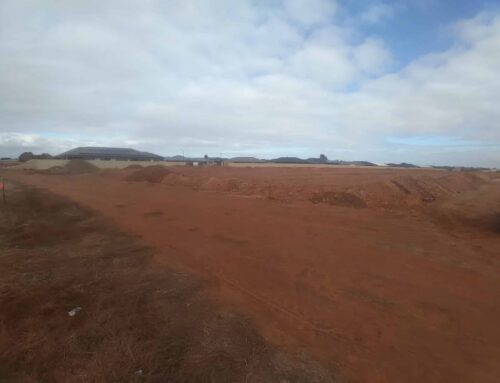
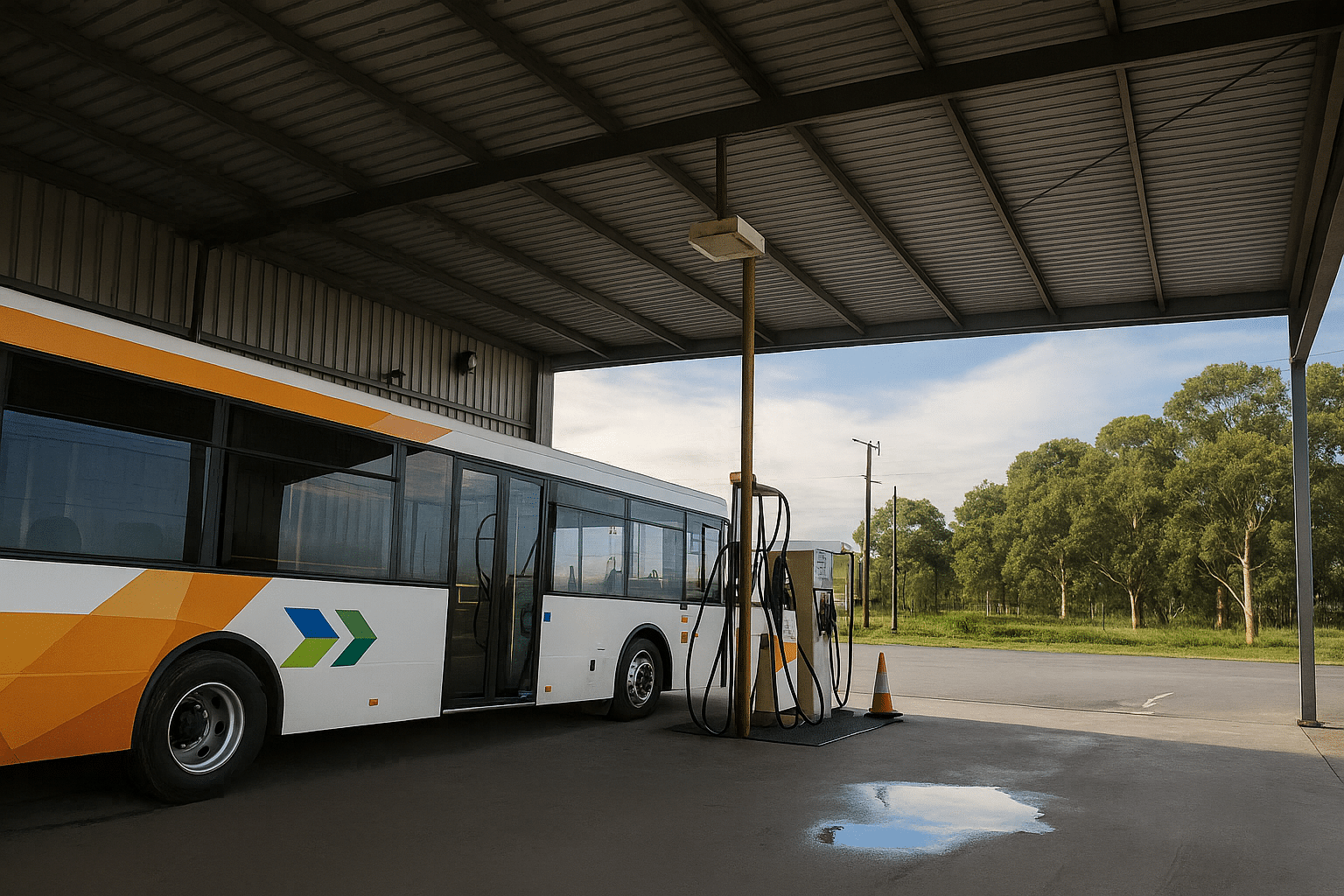
The Client needed to understand the baseline environmental conditions across several Melbourne bus depots. With decades of industrial use, past landfill activities nearby, and fuel infrastructure on-site, there were concerns about potential soil and groundwater contamination. Regulatory authorities also required assurance that the sites complied with the Environment Protection Act 2017 and that contamination risks were properly managed.
Project Summary:
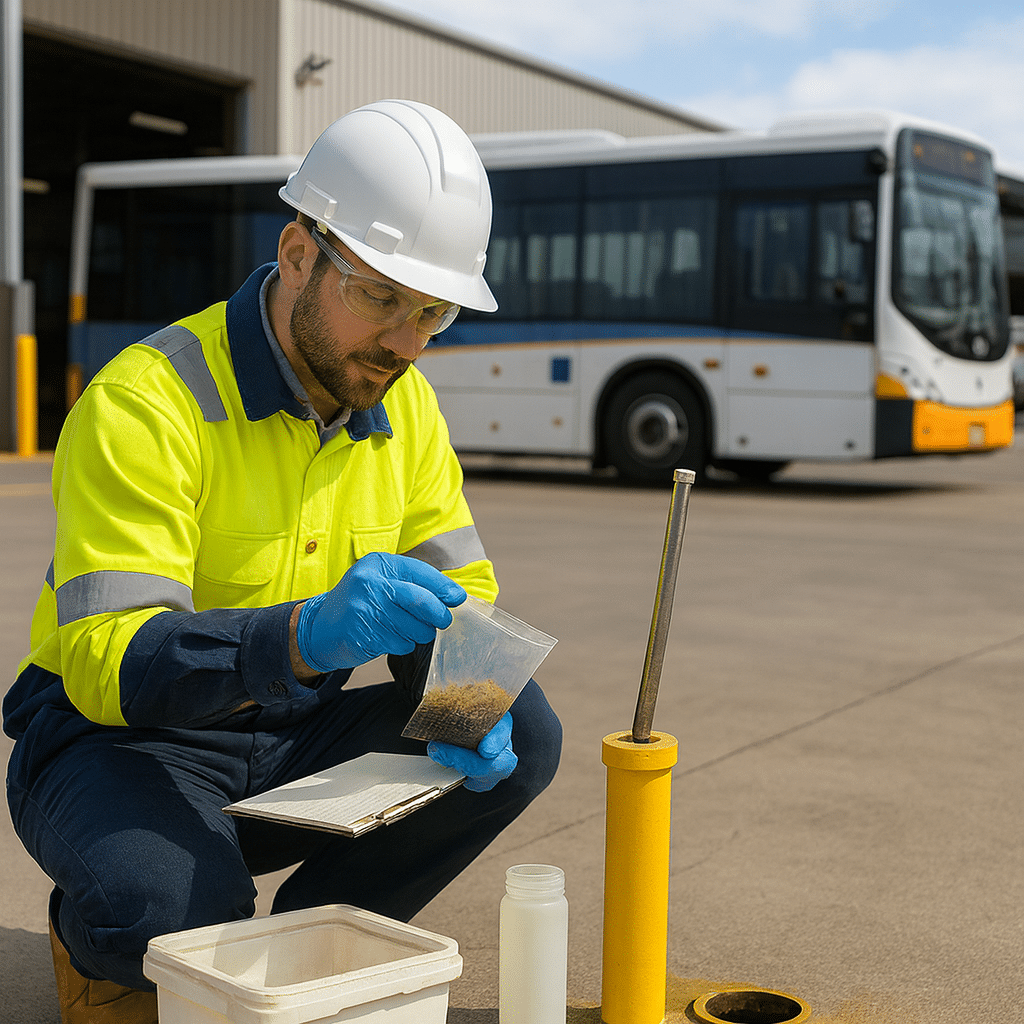
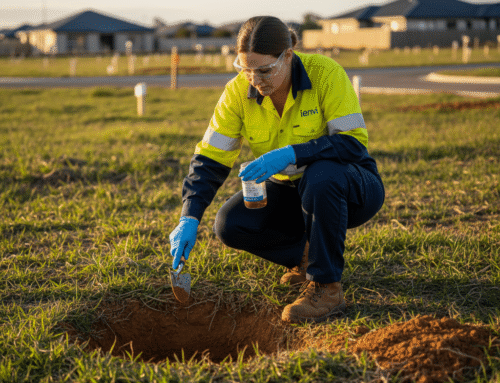
iEnvi undertook environmental compliance assessments and baseline environmental condition investigations across four Melbourne depots, including a detailed investigation at a central Melbourne facility. Work included:
- Desktop reviews of site history and previous investigations
- Intrusive soil and groundwater sampling
- Landfill gas monitoring and compliance inspections
- Development of risk registers and environmental compliance audits
On site, 18 soil samples and groundwater from two wells were analysed, alongside landfill gas checks. Localised hydrocarbon impacts were found near refuelling areas, but they were contained under sealed hardstand and did not pose a risk to workers or the environment. Groundwater monitoring showed improving conditions over time, while landfill gas checks confirmed no risk from adjacent closed landfills.
Across the wider project, iEnvi identified gaps in previous investigations and provided targeted solutions such as new soil and groundwater assessments to close those gaps.
Solution & Benefit:
The investigations confirmed the sites were suitable for ongoing use as bus depots and did not trigger notifiable contamination under Victorian legislation. iEnvi provided:
- A clear baseline of environmental conditions for due diligence and compliance
- Practical recommendations, including a Fuel System Operating Plan and ongoing groundwater monitoring
- Consolidated Environmental Site Assessment reports meeting Department of Transport and Planning requirements
This work ensured the Client could continue operations with confidence, reduce environmental risk, and satisfy regulatory obligations efficiently.