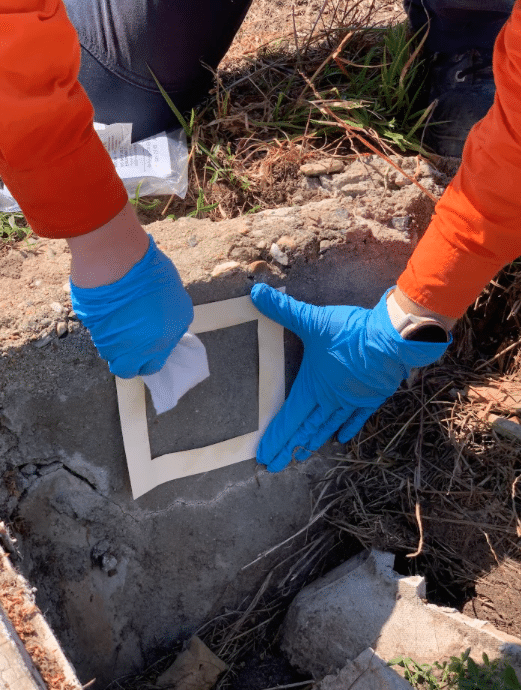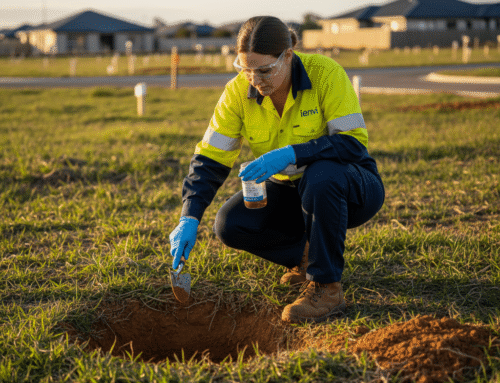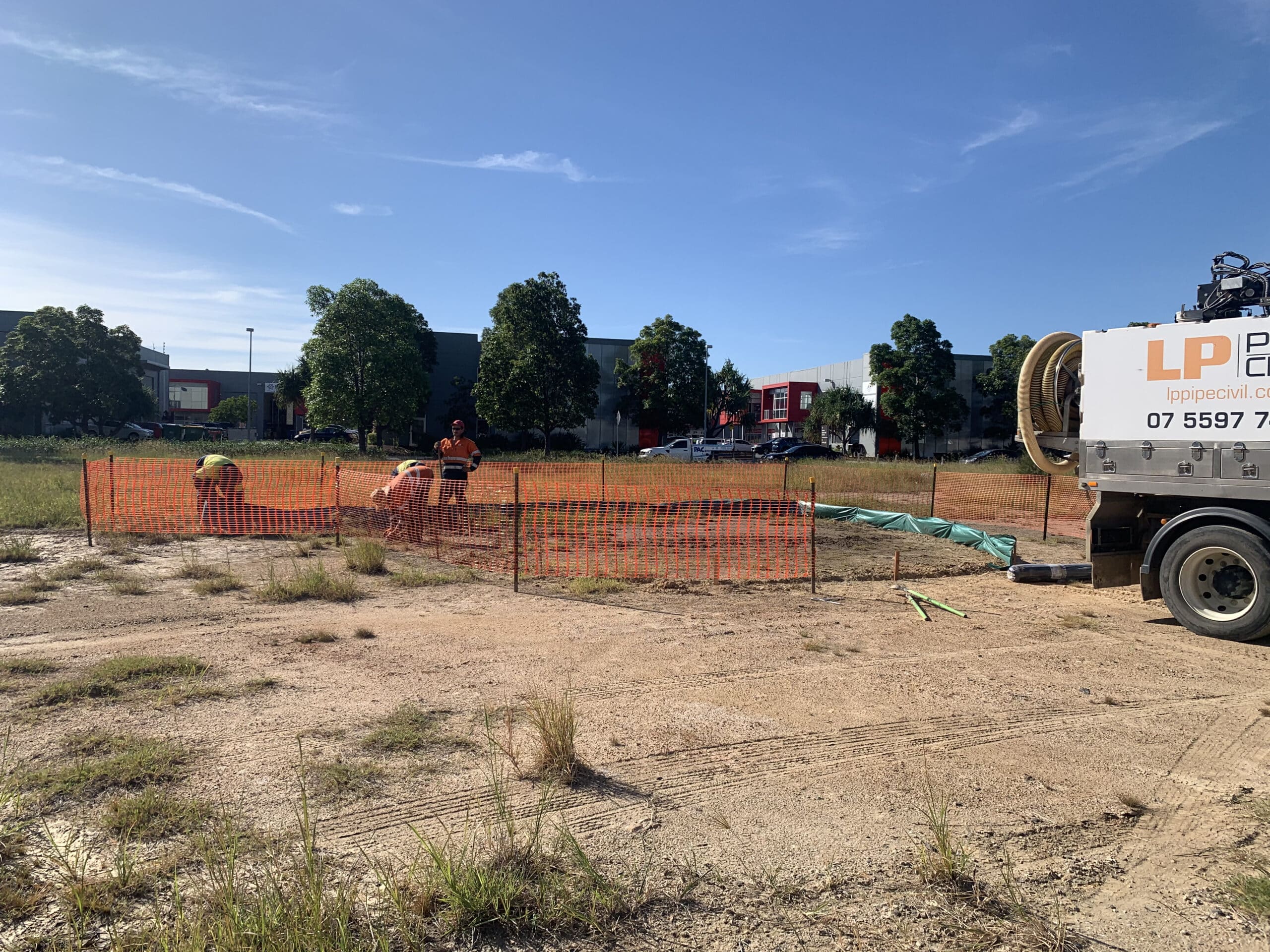
The Problem:iEnvi supported a Tier 1 infrastructure contractor that was engaged to provide critical telecommunication (NBN) upgrades across Brisbane Airport and its greater precinct. The project spanned both secure airside and public landside precincts on Commonwealth land. Strict federal regulations governed the management of soil and groundwater containing asbestos and per- and polyfluoroalkyl substances (PFAS), as well as state regulations, especially for waste material. A major logistical constraint was the requirement to backfill or cover excavations immediately. The client could not leave pits open or stockpile waste due to public safety concerns. Additionally, there was a financial risk that the existing concrete infrastructure had absorbed PFAS. This would have escalated disposal costs significantly if the concrete was classified as hazardous waste. Project Summary:iEnvi served as the technical bridge between the Tier 1 contractor and Brisbane Airport Corporation (BAC). We facilitated the approvals process by liaising directly with BAC for the review and sign-off of all environmental management plans. Our field team executed a robust Sampling, Analysis and Quality Plan aligned with construction schedules. This involved a sophisticated in situ waste classification strategy. We collected concrete core samples from the pits to test specifically for PFAS ingress and a preliminary swabbing program of concrete structures. Concurrently, we characterised soil and groundwater prior to excavation. We worked intimately with the contractor’s management and field staff to coordinate rapid sampling windows. This ensured environmental works did not delay critical airport operations. Solution & Benefit:The laboratory analysis of the concrete cores and swabs confirmed that the infrastructure was free of PFAS. This allowed the material to be disposed of as general solid waste rather than hazardous waste, saving the client substantial money. Soil and groundwater were classified insitu separately. The in situ classification strategy enabled the contractor to load and transport soil and remove NDD waste, and dewater pits directly during excavation. This eliminated the need for stockpiling and removed the risk of open pits. By effectively managing the regulatory interface with BAC and coordinating seamless field operations, iEnvi ensured the upgrades were delivered safely and with full Commonwealth compliance. |