The Problem:
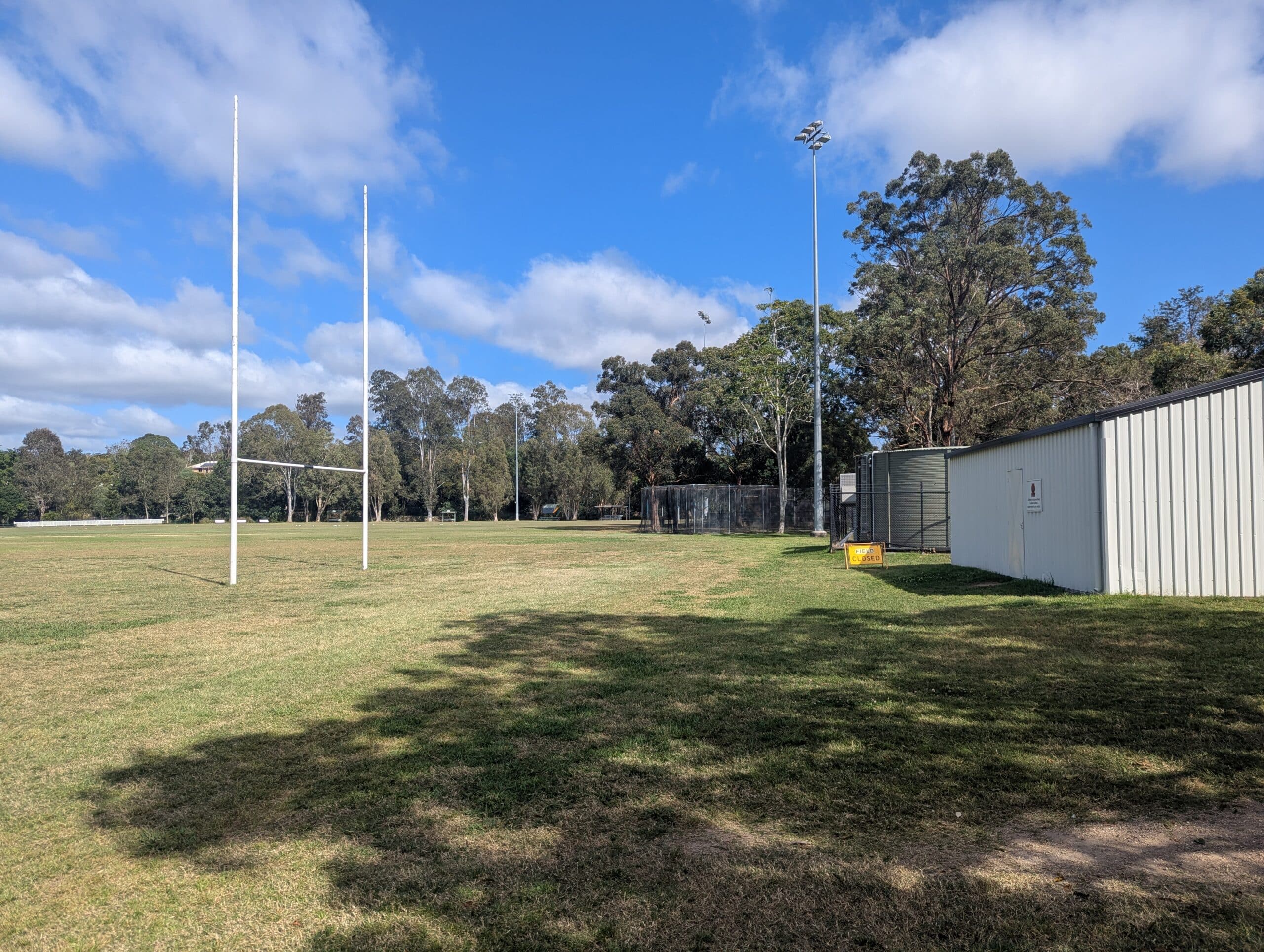
A community sports club planned a new junior clubhouse on a closed landfill in Queensland. The development approval required a contaminated land specialist to assess landfill gas and potential contamination in fill that would be disturbed during construction. The goal was to keep people safe, meet council requirements, and control costs for a self-funded project.
Project Summary:
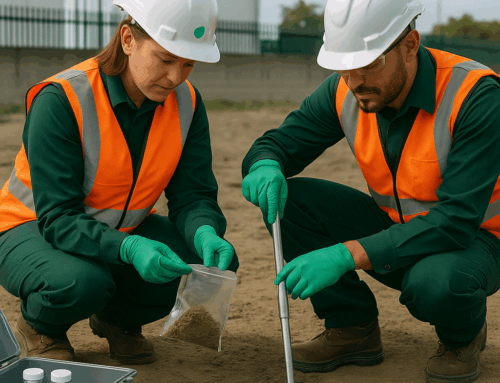
We combined smart desktop work with lean fieldwork to give the build team the right information at the right time. The review of site registers, approvals, and landfill guidance framed a risk picture for construction staging. Landfill gas monitoring focused on high use zones such as service corridors and proposed trenches, supported by checks at existing monitoring points. Soil investigation targeted the layers most likely to be disturbed. Samples were analysed by a NATA accredited laboratory for asbestos in soil, metals, and petroleum hydrocarbons to inform handling, transport, and disposal.
Findings were turned into a concise landfill gas assessment and a construction ready CEMP. The plan set daily gas checks, trigger levels, and escalation steps. It explained how to ventilate works, manage ignition sources, and separate clean and potentially contaminated spoil. Clear flowcharts covered unexpected finds and communication lines between site crew, supervisor, and environmental lead. The approach reduced uncertainty, improved decision speed, and helped the project meet council expectations without adding unnecessary cost.
Solution & Benefit:
The outcome was a simple pathway to build safely on a closed landfill. The team gained clear steps to manage landfill gas, classify and handle soil, and respond to asbestos in soil if present. The plan aligned with council expectations and kept the schedule moving. iEnvi delivered confident contaminated land investigation, soil investigation, and environmental sampling that reduced risk and helped the club turn an old tip into a modern community space.